Parenting a pet means enduring great responsibilities. It ranges from feeding to making tough life decisions for them. It can be really challenging, particularly when tumors are involved. The goal of most tumor removal surgeries is to help a pet live a longer, healthier life. Understanding the steps for pet tumor removal surgery and what to expect before, during, and after tumor removal surgery will help you to manage the process and support your pet through its recovery period. In this article, you’ll learn all you need to know about pet tumor removal surgery for a better life ahead
Identifying the Need for Pet Tumor Removal Surgery
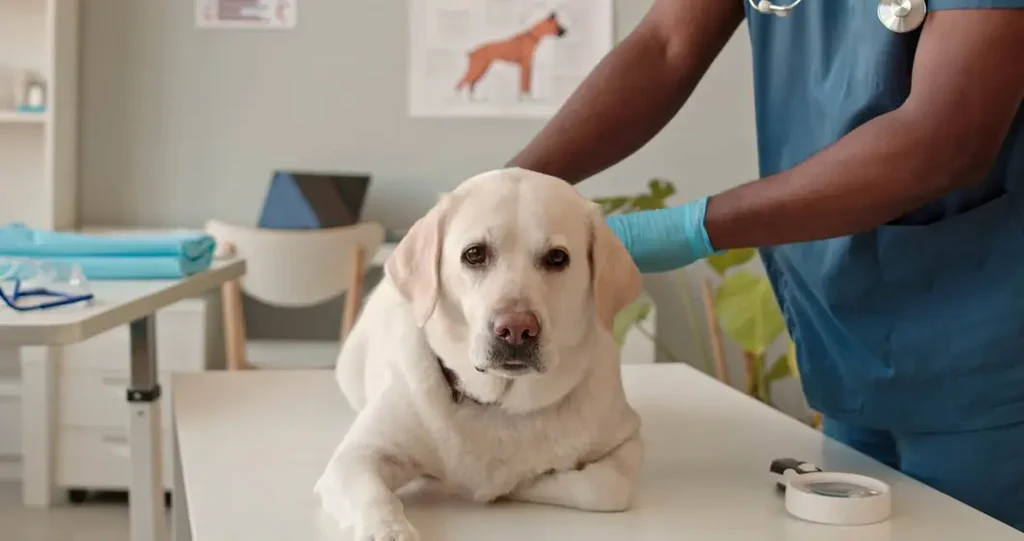
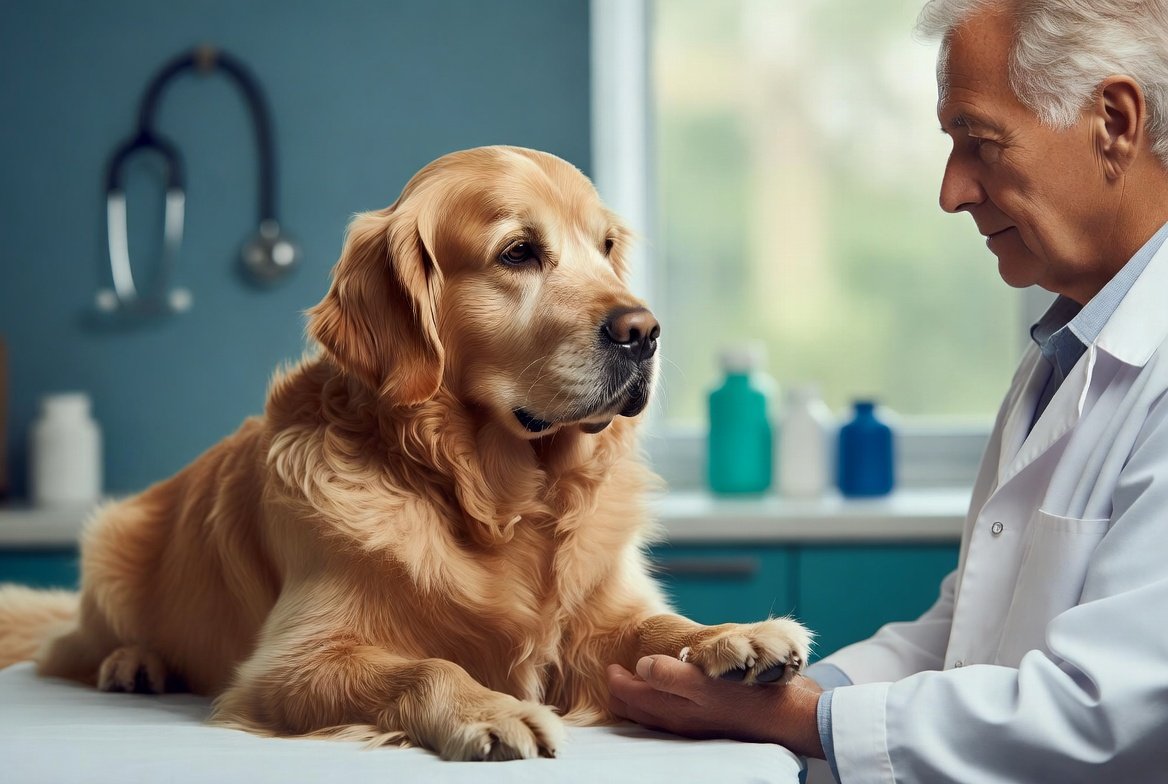
The veterinarian assesses and identifies if there is a need to remove the tumor or not. They completely evaluate your pet, whether a dog, a cat, or other animals. They investigate the tumor’s current growth pattern in order to determine how quickly it is growing. The size and the progression of the tumor identify if there’s a need for removal or not. Understanding the tumor type, either benign or malignant, is necessary in treating it, though. As early as the tumor is detected, its progression can be slowed downed
Vets diagnose the tumor through physical and radiological examination. They run through different clinical tests and imaging studies to identify the size and progression of the tumor. In some cases, they also prefer to have a biopsy in order to diagnose the tumor. Blood tests are also performed along with radiological X-rays to monitor tumor size and overall health. All these measures help them to understand whether the tumor is benign or malignant, and whether pet surgery is the most appropriate treatment.
Preparing for the Surgical Procedure
Preparation for the surgery can begin as soon as the recommendation has been made to perform the procedure. The preoperative period is just as vital to the success of the procedure itself. Usually, vets recommend some specific instructions for fasting your pet before the surgery. During this period, you are not allowed to feed any food or water to your pet. 8 to 12 hours before the surgery are recommended to fast your pet. It is essential to reduce the risks resulting from anesthesia exposure.
Preoperative Care and Planning
Every vet develops a treatment care plan for each of their pet undergoing the surgery. They explain the owner’s complete process of the surgery and what to expect before, during, and after the pet tumor removal surgery. They guide them to feed their pets with a healthy nutrition and diet before and after the surgery. It will help them to prepare their pets for the surgery and support the recovery period. This plan of care is based specifically on the pet’s age, breed, the size of the tumor, and overall health.
Pre-surgical medications may also be prescribed to stabilize any medical problems with the pet prior to surgery. If the tumor is present in your pet’s genitals, vets may also discuss the process and need of spaying and neutering your pet.
The Surgical Removal Process
The pet tumor removal surgery removes the tumor and an area of the normal tissue around it to minimize the chances of the tumor recurring. This is especially important with malignant tumors. The surgical procedure can vary widely according to the complexity of the tumor. Some can be removed with a simple surgical procedure, while others may require more complex techniques if they are close to major organs.
Techniques Used During Surgery
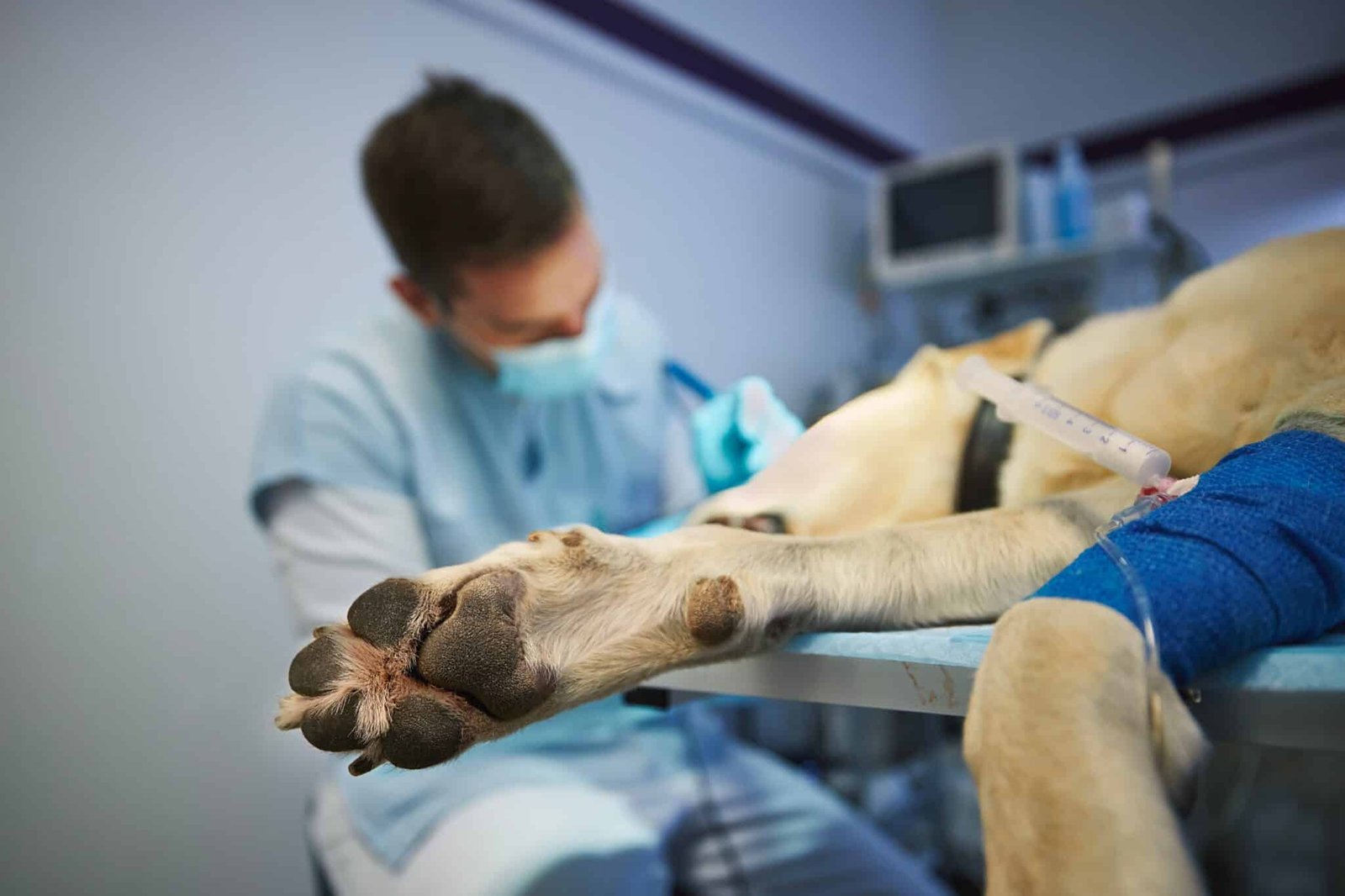
The veterinarian will completely remove the tumor from your pet by using the highest quality sterile instruments and precision removal techniques. In some situations, the veterinarian may also need to perform reconstructive surgeries to effectively close the surgical site. Vets monitor the pet’s vitals throughout the process of surgery, whether before, during, or after. They ensure the safety of the pet. They monitor the heart rate, respiration, and oxygen saturation, the vitals. Maintaining good hygiene at the surgical site reduces the chances of having an infection.
Recovery and Postoperative Care
After surgery, you will have to focus on your pet’s healing and avoiding related complications. Depending on the severity of both the surgical procedure and the overall health of your pet, the amount of time required for recovery will vary. Pets are kept under observation until they are fully out of danger. During this period, pain management will be one of the top priorities.
Supporting Healing at Home
Once your pet gets back home, you need to adhere strictly to the instructions given by your veterinarian concerning how to care for your pet. For example, you may need to give your pet medication, limit its physical activity level, or keep the surgical area clean. During the recovery, pets require complete observation. You can consider placing them in the pet boarding facility for proper care and supervision if you are not sure that you will be able to provide them with complete care. It will help support your pet’s recovery and healing.
Conclusion
Understanding the need and process of pet tumor removal surgery will help the pet parent to support their pet through this period. Each step of the process from start to finish is planned with the goal of achieving a good result for the pet. By providing your pet with great veterinary care during surgery and after they are discharged, support their overall healing. By providing them with a supportive environment at home during their recovery, your pet will recover from surgery without any issues and will be able to live a risk-free life. You can visit Park Hills Animals Hospital for expert advice on pet tumor removal surgery.