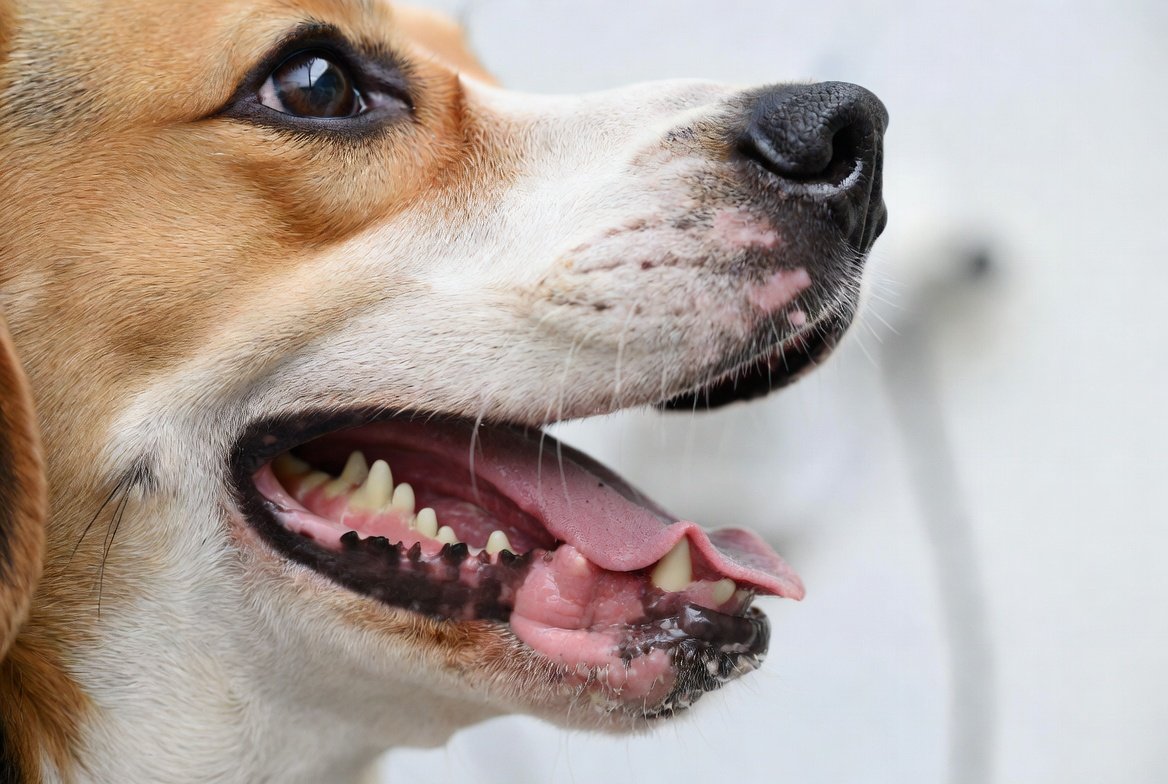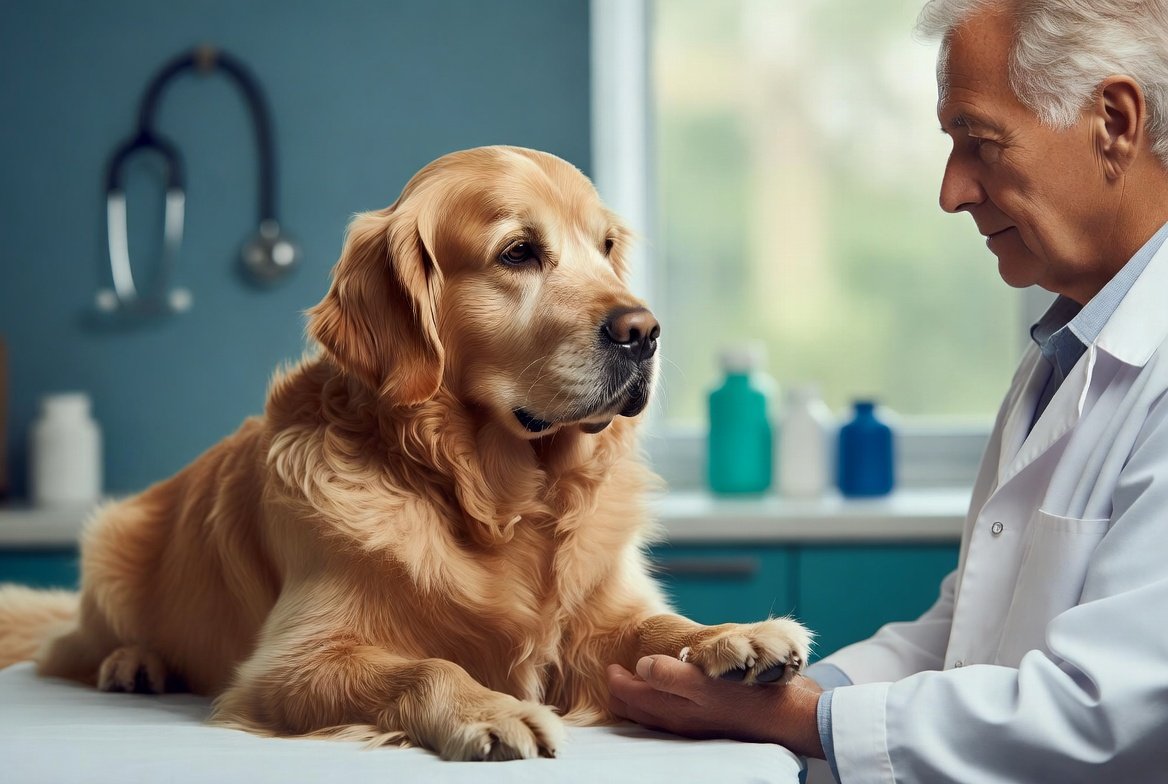

With increasing age, significant physiological changes take place in the dogs. Their organs start to become weak, body functioning becomes difficult and they become more prone to various diseases. Senior dog heart disease can drastically affect the dog’s quality of life. Therefore, detecting and treating heart problems early will ensure that a dog can have a normal life despite being diagnosed with a disease.
Understanding Senior Dog Heart Disease
The heart of dogs is significantly affected during aging. It works tirelessly, pumping blood and supplying the whole body with necessary oxygen and other resources. Sometimes, as a result of this excessive work, different senior dog heart disease start developing in them, among which are valve degeneration and myocardial abnormalities. They tend to develop rather quietly, which is why it is important to know about them to treat them in a timely manner.
While discussing signs, it is vital to understand that the senior dog heart disease does not always manifest in obvious ways. It starts to show through minor symptoms, but they should be detected on time.
Changes in Energy Levels and Performance of Senior Dogs
Heart disease can be manifested through fatigue levels in senior dogs. Senior dogs usually have less energy than puppies or adult dogs, but they cannot be as energetic as before, which means that something might be wrong. The lack of energy occurs because the heart does not work properly, which affects the amount of oxygen supplied to the body, causing the dog to be more exhausted.
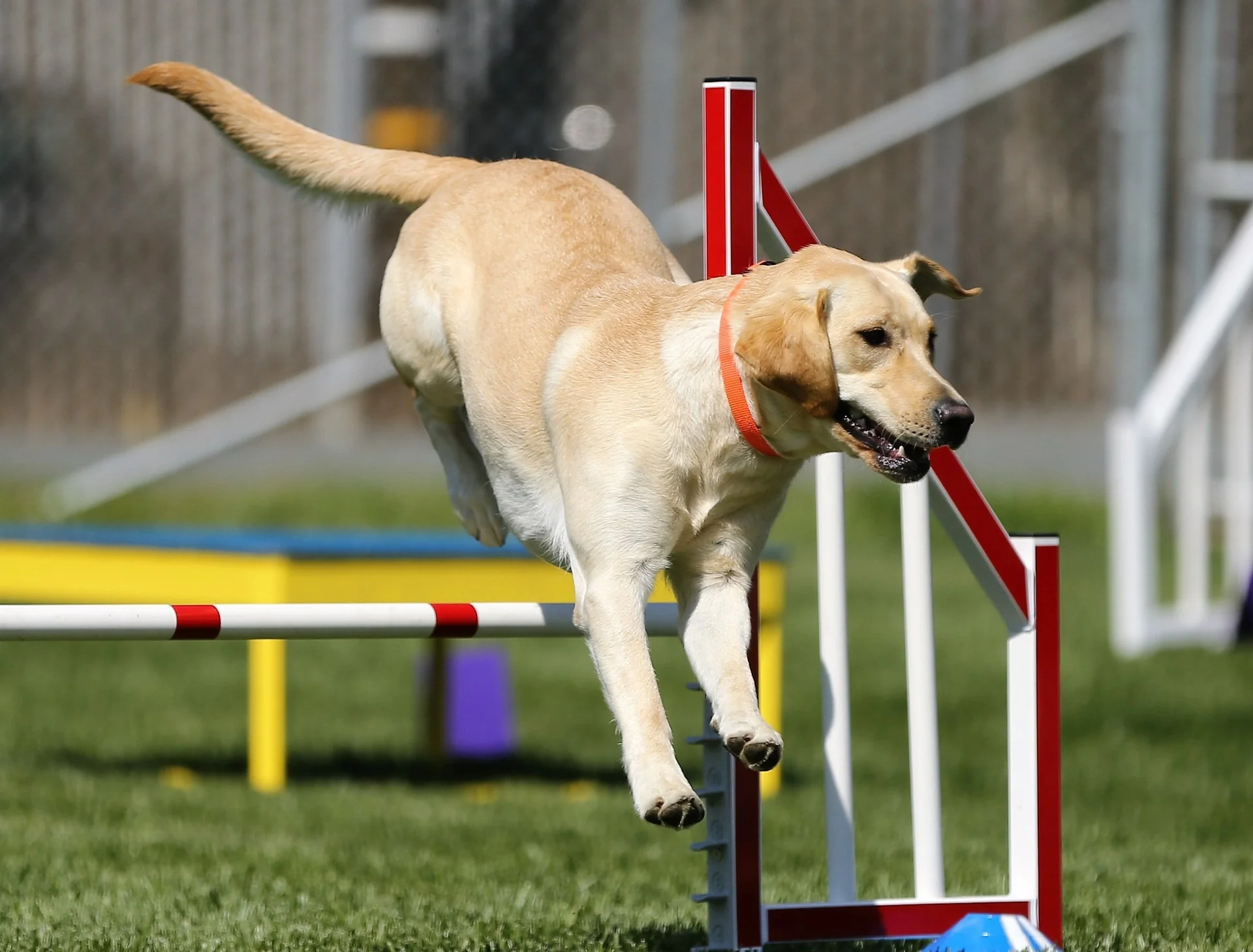
Pet monitoring may help detect these changes as well, since weight loss can happen due to poor heart functioning in senior dog heart disease. In addition, it might be possible that a dog loses interest in performing certain activities, such as running, playing or simply jumping.
Persistent Cough and Breathing Changes
One of the first signs of a senior dog heart disease might be the frequent occurrence of coughing. It tends to get worse at night and after a slight exercise. The cause of it might be the fact that the dog suffers from increased fluid retention, which leads to coughing.
Another factor that indicates that the senior dog heart disease might have developed is the alteration in respiration. Labored or rapid breathing while the dog is resting is an alarming symptom. Besides, the dog might find it difficult to breathe and may show signs of discomfort, for example, when lying down.
Appetite Loss and Weight Fluctuations
A change in diet and weight can also be a sign that your pet suffers from senior dog heart disease. Depending on the situation, the dog might refuse to eat because of feeling tired and sick. Another possibility is the development of heart failure, which leads to weight loss.
Alternatively, the dog might start retaining excess fluid because of the problems with the heart muscles and suffer from abdominal distention while suffering from senior dog heart disease. Proper pet nutrition is recommended as a way to manage these symptoms of senior dog heart disease.
Practical Care Tips for Managing Heart Disease
Apart from medical treatment, it is crucial to follow certain care strategies, which will allow the pet to feel better. However, in the first place, it should be noted that every pet should be examined by a vet individually. Therefore, consulting professionals should come first in the list.
Maintaining a Calm and Balanced Routine
To prevent a dog from extra stress, it is crucial to maintain a peaceful and calm atmosphere in the house. No abrupt changes in a schedule, loud music or noise are acceptable in the case of the senior. Moreover, it is recommended that a dog perform short walks several times a day to ensure that it gets enough exercise. At the same time, it is important to pay attention to how your pet feels since it may not have enough energy. In order to provide good pet boarding services to a senior dog, one should look for special boarding facilities for senior dogs.
Supporting Nutrition and Hydration
One of the aspects that should be regulated is a dog’s diet. Special diets recommended by veterinarians might help the animal in many ways because of high concentrations of vitamins and minerals that support the heart and its functioning. At the same time, it may regulate salt in a dog’s body, improving the organism’s functioning.
Pet parents should provide their senior dogs with an adequate amount of water to improve their blood flow and support their heart health. However, a dog should drink moderately and an excessive increase in water consumption should be observed carefully. Pet dental care should also be considered since any infection can be harmful to the heart.
Monitoring and Seeking Care for Senior Dog Heart Disease
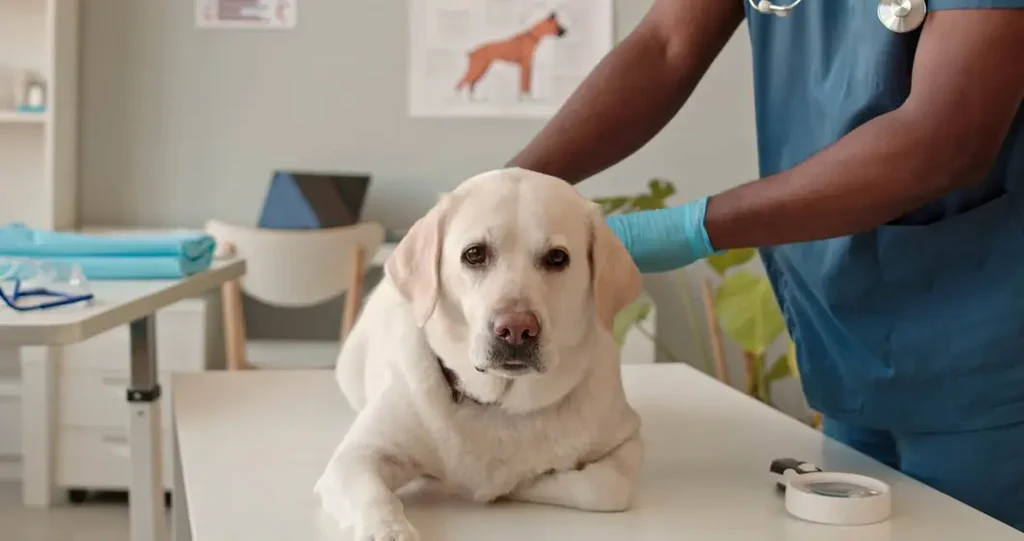
Pet parents should observe their old age dog’s behaviors and signs for heart disease. Monitor for respiration rate and food intake. Note their exercise and activity habits for detecting any signs of senior dog heart disease. Visits to the vet are important for early management and reducing future risk. These consultations usually involve a series of physical examinations and tests that help monitor heart health. Vets can also recommend that you have a pet surgery for your senior dogs suffering from heart disease, if the condition worsens.
Conclusion
Senior dog heart disease can occur in old age dogs and can interfere with their daily functioning. A compromised heart in dogs makes their health suffer and makes it difficult for them to deal with end-stage life. However, with proper care and timely identification, they do not have to become fatal early. Apart from visiting veterinarians regularly for check-ups, it is crucial to pay attention to minor symptoms that are indicative of senior dog heart disease. You can get a consultation from Park Hills Animal Hospital on senior dog heart disease.