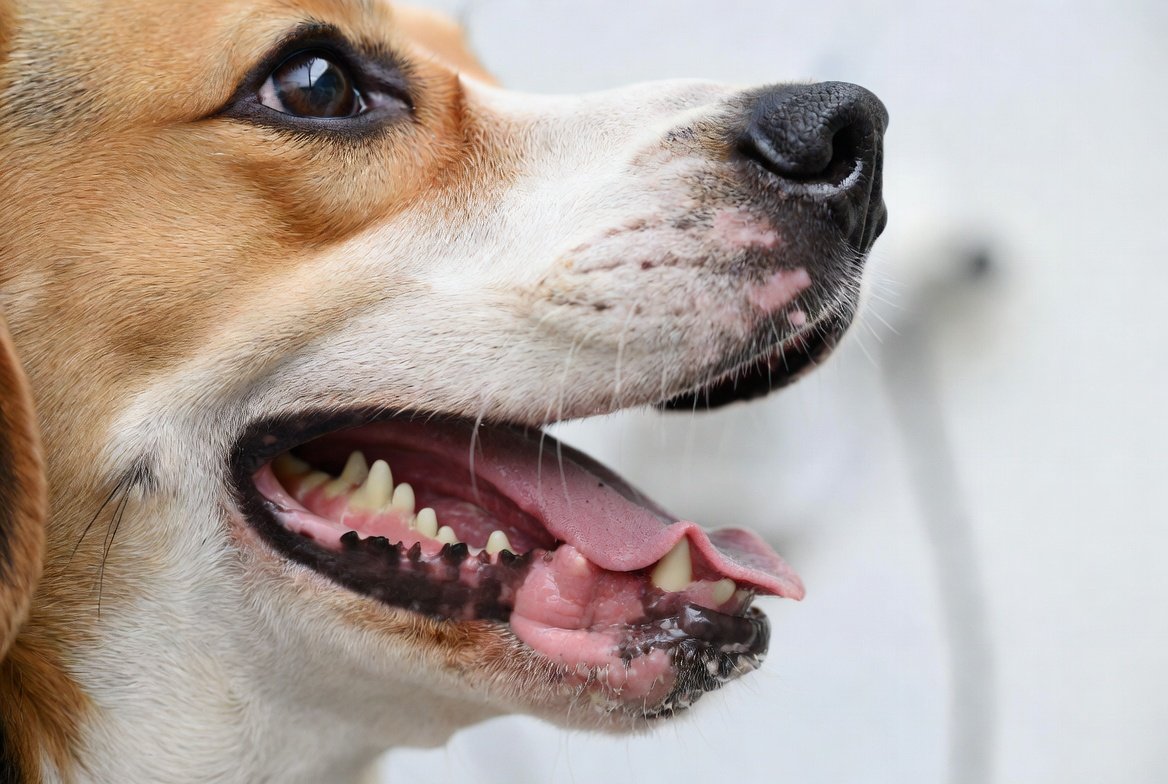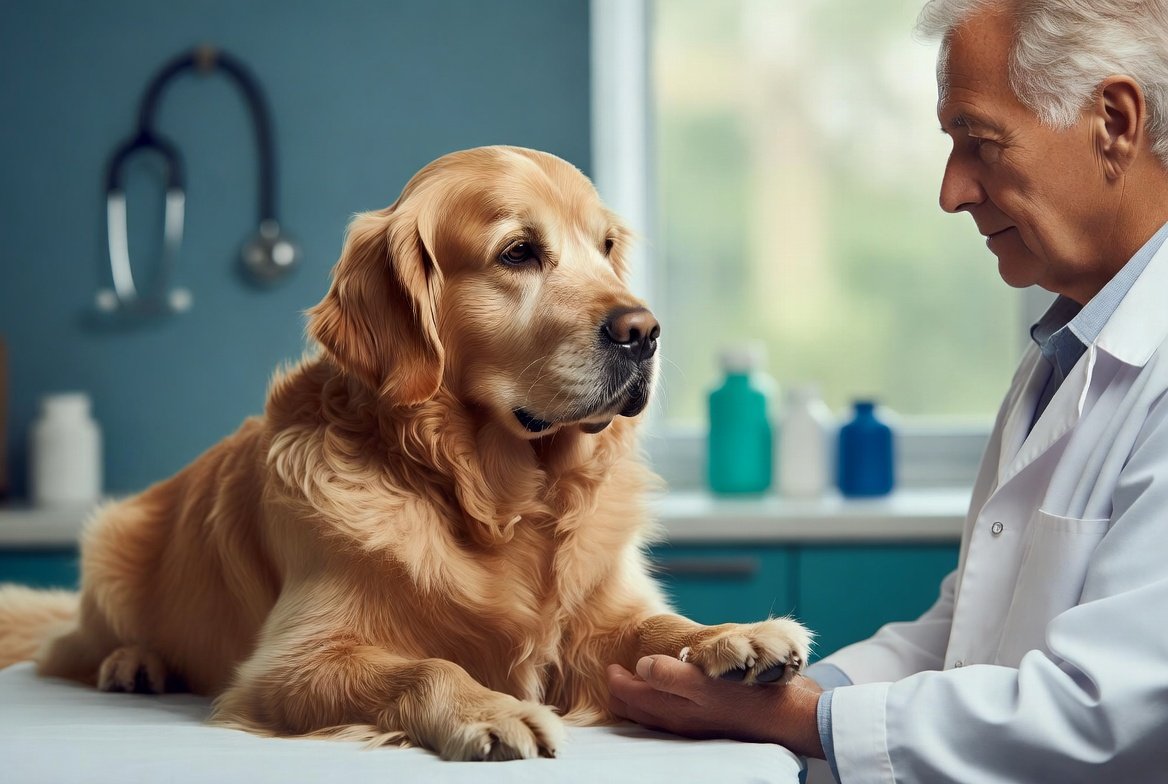

It is horrifying to find lumps on your dog’s skin. As a pet owner, you might be worried that these lumps are serious. You will be afraid at once of the worst. Could it be cancer? Many dog owners experience stress when they detect abnormal lumps on their animals. Some of the lumps are non-malignant but others may indicate a serious health issue. One should be aware of them and of what they meant for your dog’s health. In this blog, we will help you learn about sudden lumps on dog under skin and what to do.
Understanding Lumps on Dogs
Dogs do not have any moles but they have some lumps. They may be stiff or smooth and vary in size. These lumps are usually abrupt and may raise the alarm of the pet owners. Not all lumps are harmful and some may be cancerous. A dog may develop lumps on its body for many reasons. They can be caused by infections, traumas or even tumors such as fatty tumors. The Pet diet has an effect on their skin health. Lumps are more likely to occur in cases of poor pet nutrition that weakens the immune system.
Types of Lumps Dogs Can Get
The lumps may be present on various parts of the body of a dog. Pet owners should be aware of lump types and how they may indicate a health issue.
Cancer Lumps on Dogs
Cancerous lumps occur when abnormal cells become uncontrolled. These are usually firm and hard lumps that develop quickly. It can be painful to your dog and is commonly characterized by changes in size, shape or color. When the lump is hard and does not move when touched, it may be cancer. These lumps can be detected by making regular visits to the vet.
Chest Lumps on Dogs
Around the dog’s chest, lumps may be brought by various causes, such as tumors, infections or even abscesses. These lumps are more noticeable in the lying position or during dog movement. Any sudden changes in chest size or shape should be taken to the vet.
Lumps on Dog’s Leg
The lumps on the legs of a dog may be different. They might be non-malignant such as fatty tumors or benign cysts whereas others might be an indication of infection or even bone cancer. If the lump develops rapidly or is painful, a visit to the veterinarian is necessary.
When to Be Concerned About Lumps
If a lump develops quickly, is painful or has an irregular shape, it is time to see a vet. Never wait and hope that the lump will go away by itself because it might signify a severe underlying health condition. Pet surgery may be required to get rid of suspicious lumps. Vet help to provide guidance on the most appropriate action.
Diagnosis and Treatment
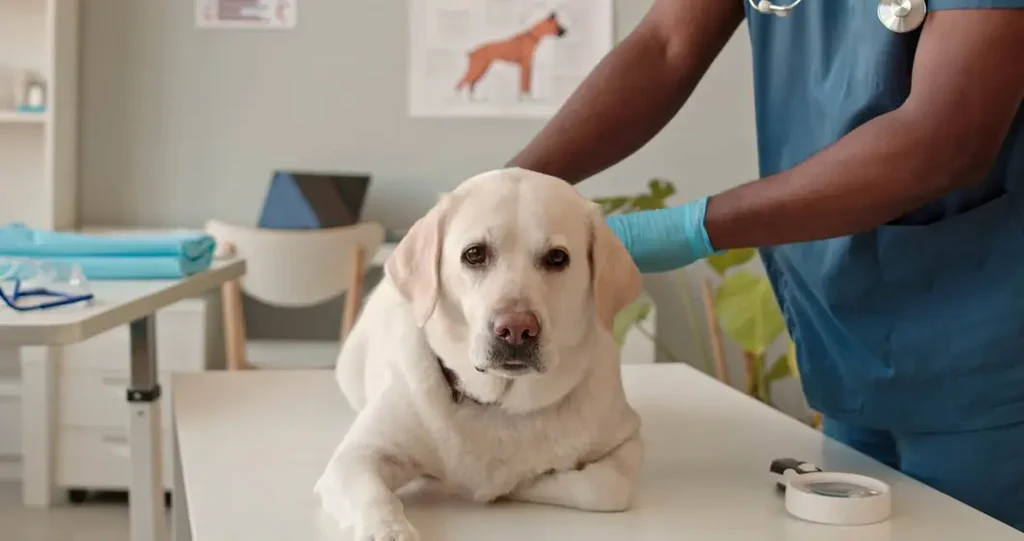
If your dog has lumps, you should visit a vet to diagnose them. The vet can conduct physical tests and prescribe tests such as biopsies or X-rays to ascertain the cause. The type of lump determines the type of treatment. Some can be treated through non-invasive methods (draining or medication) and some may have to undergo surgery. It is provided with regular health care, such as spaying and neutering services which help to prevent some lumps and enhance health.
Prevention and Aftercare
To reduce the risk of lumps or cancer in dogs, owners prefer regular checkups at the vet, a healthy diet and exercise. Prevention also involves proper hygiene and avoiding environmental toxins. Once you have treated your lumps, emphasize the comfort and healing of your pet. Follow your vet’s recommendations when it comes to post-treatment care. Frequent pet grooming can also help in the early detection of lumps to ensure treatment in good time.
Conclusion
It is important to detect lumps in your dog earlier to avoid severe health problems. Frequent veterinary checkups, a nutritious diet and early response would help a lot. Do not delay and consult a specialist if you find any suspicious lumps. Problems can be identified at an early stage through preventative care, such as grooming and regular health checkups. Visit Park Hill Animal Hospital today to ensure comfort for your furry friend.
Frequently Asked Questions (FAQs) on Sudden Lumps on Dog under Skin
Why then does a dog suddenly have lumps on its skin?
The sudden lumps on the skin of a dog may be caused by many factors such as infection, fatty tumors, cysts or even cancer. It should be noted that the size, the shape and the growth rate of the lump should be monitored.
What makes me know whether a lump on my dog is cancerous or not?
The cancerous lumps can be quite hard and lumpy with rapid growth. They may either be painful or uncomfortable. You should be aware of these symptoms when the lump develop another shape. The vet examines the lump for proper diagnosis and treatment.
When should I take my dog to the vet for lumps?
You need to take your dog to the veterinarian when a lump is growing rapidly, painful and changes in appearance. Early diagnosis is necessary to determine whether the lump is harmless or requires follow-up such as surgery.
Will grooming help me find lumps on my dog?
Yes, frequent pet grooming is used to diagnose lumps and other health issues early enough. Regularly grooming help to detect any skin changes and seek veterinary help.
What can be done about the lumps on dogs?
The treatment for dog lumps depends on the type and cause. The choices may be non-invasive such as medication, drainage or even surgical excision. Depending on the diagnosis, your vet will advise you on the most appropriate course of action.