Most pet owners pay very little attention to the oral health of their furry friends, while it plays a very important role in their overall health. Having swollen gums in pets can indicate the development of many issues. Sometimes they occur due to injuries, sometimes because of serious health disorders. Regardless of the cause of gum swelling, it requires immediate attention. Otherwise, a pet will be in great pain and may face the consequences of the lack of treatment.
This article will discuss the most common symptoms, reasons, and when a pet owner needs to visit a specialist. Understanding all the peculiarities is the best chance to detect this problem as soon as possible. So, this guide will help you learn everything worth knowing about your furry friend.
What Are Swollen Gums in Pets
Gum swelling is the inflammation of the soft tissues in the oral cavity. Its main causes are related to injury, infections, and improper oral care in general. To prevent such a condition, good oral care and proper pet nutrition are required as it stimulates good immunity and prevent the risk of oral infections. In its initial stage, swollen gums in pets appear quite insignificant. However, it is likely to get worse later and bring discomfort to the pet.
How Gum Inflammation Develops Over Time
First, it starts with the formation of dental plaque. If it is left untreated, it transforms into tartar that hosts harmful bacteria. The tooth enamel irritates the gums and leads to inflammation. With time, this disease can progress to periodontal disease that negatively impacts the supporting tissues as well.
Visible Signs That Indicate Swollen Gums in Pets
There are certain changes that you should notice in the mouth to be sure about the presence of swollen gums in pets. Some of them are obvious, some are rather insignificant at the beginning, but get worse with time. In any case, there is no doubt that it is essential to recognize all of them. Regular vet visits and pet grooming play a part in the timely detection of swollen gums in pets, as both professionals assess the oral cavity for pet dental care.
Redness and Puffiness Around the Teeth
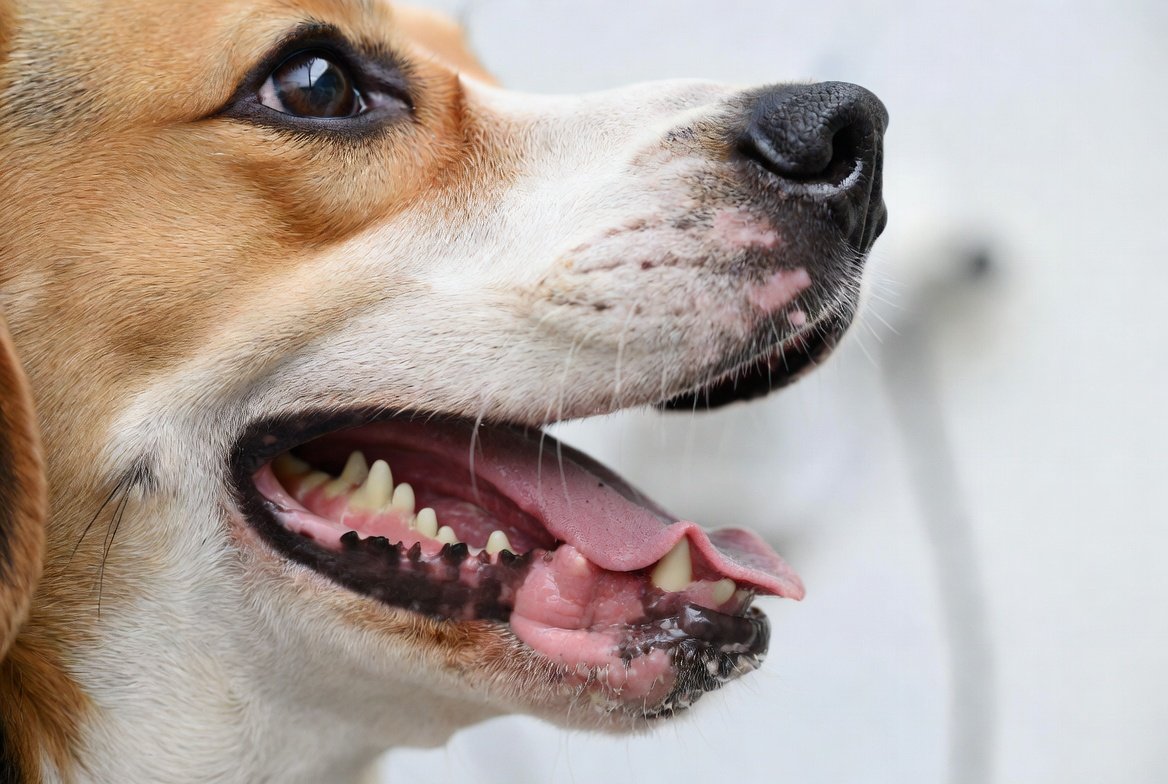
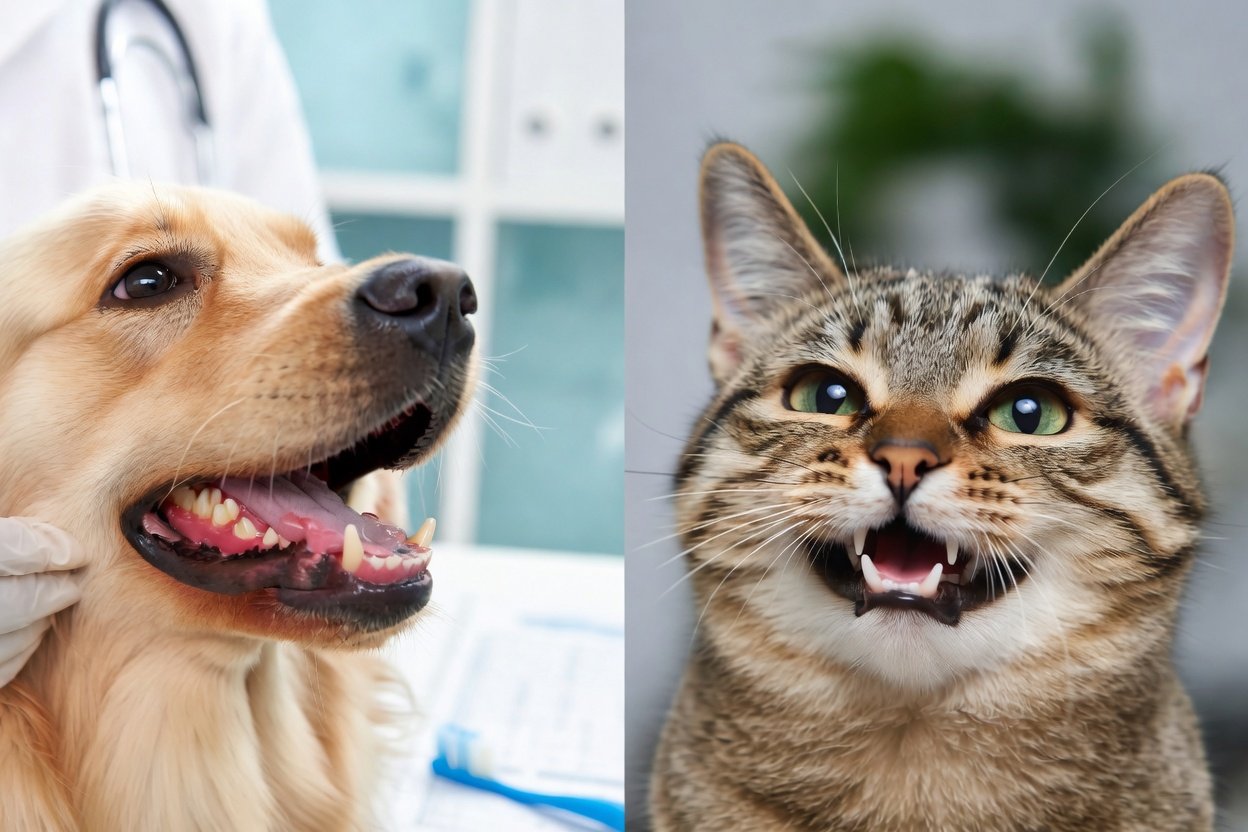
Normally, the color of the gums is pink, and the tissues are firm. If swollen gums in pets start developing, they become darker and may be enlarged. Usually, the first thing you can notice is the color change. The swelling can be local, too, if it occurs due to some kind of injury or because of an object stuck in the mouth.
Behavioral Changes That Signal Oral Discomfort
Some health issues can be recognized not only by specific physical changes but also by the behavior of a pet. Of course, they can be easily interpreted wrongly. However, if you see unusual behavior, you should think of health causes. Monitoring your furry friend’s behavior can tell you a lot about their health or dental problems.
Difficulty Eating or Loss of Appetite
If a pet suffers from swollen gums, it is going to have difficulties with eating. Due to the gum irritation, it might be painful for your pet. As a result, your furry friend stops chewing food as it usually does or starts dropping it from the mouth. In addition, you may witness decreased appetite, which requires special attention.
Additional Symptoms That Should Not Be Ignored
Swollen gums in pets are not always found in isolation. Most often, there are some other symptoms accompanying them. It is necessary to know about them because they help diagnose the problem precisely.
Bleeding and Bad Breath
In case of swollen gums in pets, your pet will experience bloody saliva and gums after eating. At first, it may occur occasionally, however, later it is going to be more frequent. Foul odor coming from the mouth is another symptom of swollen gums in pets. If the smell of a pet’s breath is not fresh anymore, it is an alarming state, and the cause should be investigated.
Common Causes Behind Swollen Gums
There are many reasons why the swollen gums in pets develop. Knowing them will help the pet owner to understand what leads to such problems and what actions can be taken to avoid them. Depending on the reason, the problem should be addressed by different means, from home remedies to advanced pet surgery.
Plaque Buildup and Dental Disease
The primary reason why swollen gums in pets occur is the formation of plaque, which eventually turns into tartar. Bacteria accumulate in the tartar, and due to the constant irritation, this results in swollen gums.
Moreover, this inflammation can continue progressing until periodontal disease is formed. Periodontal disease is one of the most destructive problems that can develop in the mouth, resulting in the deterioration of the pet’s health.
Diet and Lifestyle Factors Influencing Pets’ Oral Health
The oral cavity problems in pets occur because of improper feeding and a lack of adequate dental care routine. Both these things contribute significantly to the formation of dental plaque and, hence, to the inflammation of the gums. Knowing about it, you can take measures to minimize the risks of swollen gums in pets.
How Poor Nutrition Affects Gum Health
Poor nutrition has a detrimental effect on the immune system of a pet. Because of the weakened system, the body becomes prone to disease. Apart from that, it provokes the accumulation of plaque, which causes gum swelling. A nutritious and healthy diet can help to prevent swollen gums.
When to Seek Veterinary Attention
Even though mildly swollen gums in pets are rather common and go away with improved dental care, in some cases, the situation requires professional intervention. Failure to treat the swollen gums in pets in a timely manner will only aggravate the situation, requiring more complex solutions and more money. Therefore, it is essential to know when to visit your trustworthy veterinary hospital, Park Hills Animal Hospital, to save your pet from future pain.
Signs That Require Immediate Care
If your pet suffers from severe swelling, constant bleeding, or is unable to eat anything, you should call a vet immediately. Other signs that indicate the development of swollen gums in pets include pus, loose teeth, and pain when the mouth is touched. All these signs show that the pet is suffering from a dental issue and requires professional attention.
Diagnosis and Treatment Options
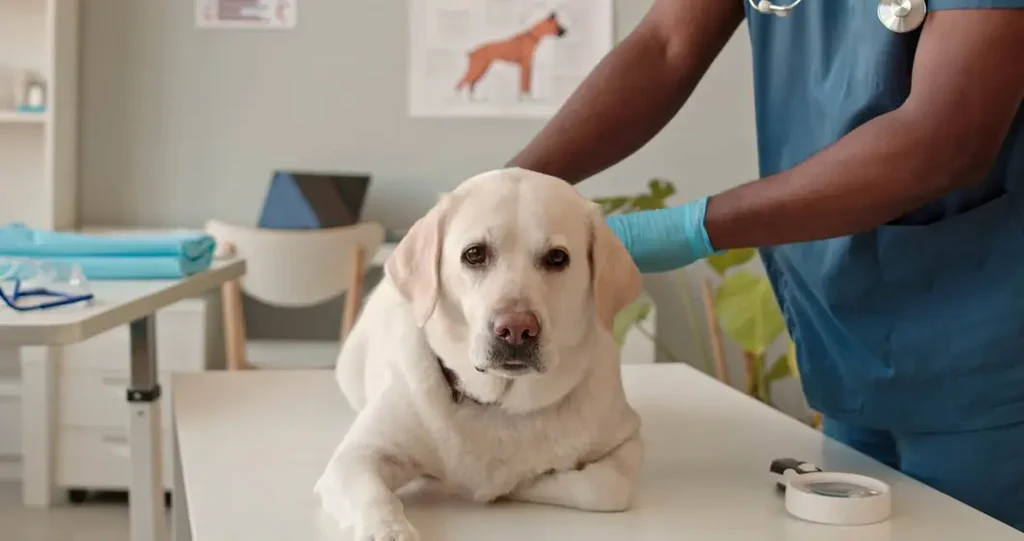
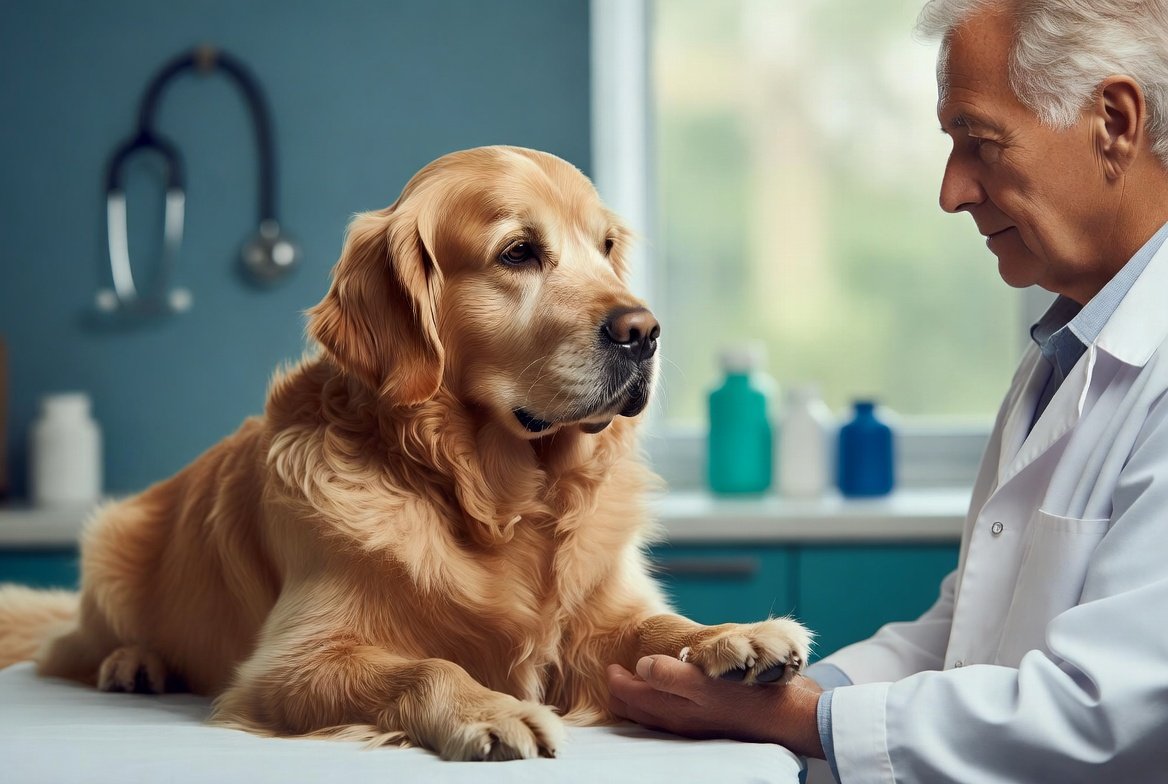
The vet checks the pet’s oral cavity thoroughly during the dental consultation. Then, he/she assesses the condition and makes an appropriate diagnosis while suggesting the treatment protocol. It may depend on the severity of the dental condition and other factors. Therefore, it is necessary to consult with an expert and let him make a diagnosis.
Professional Cleaning and Medical Care
To treat swollen gums in pets, it is necessary to eliminate dental plaque. For this purpose, your pet will suggest professional dental cleaning for your pet. However, in the case of periodontal disease, it is not enough to remove tartar. The vet will likely prescribe medications, i.e., antibiotics, that will help to reduce inflammation and get rid of infections. In the worst case, it may be necessary to pull teeth out.
Conclusion
Having swollen gums in pets is a rather common occurrence that can be caused by different factors, from poor hygiene to serious dental or oral disorders. Monitoring and detection are important for your pet’s dental well-being. You can have guidance on pet dental care from expert vets. For this purpose, visiting Park Hills Animal Hospital is one of the safest options.