If you want a pet that is slow and quiet, a tortoise could be a good option. A tortoise is a very mild-mannered animal and may live a long life, so it is an unusual companion. A tortoise will make an excellent pet for any age group. It is soothing and a great thing to watch a tortoise crawl around in your home and munch on fresh food. Taking care of a tortoise needs patience, responsibility, and love for animals.
Tortoise Life Period at a Glance
One interesting feature tortoises possess is a remarkably long lifespan. Many creatures only live for a short time or possibly for decades, but tortoises actually tend to live longer than humans.
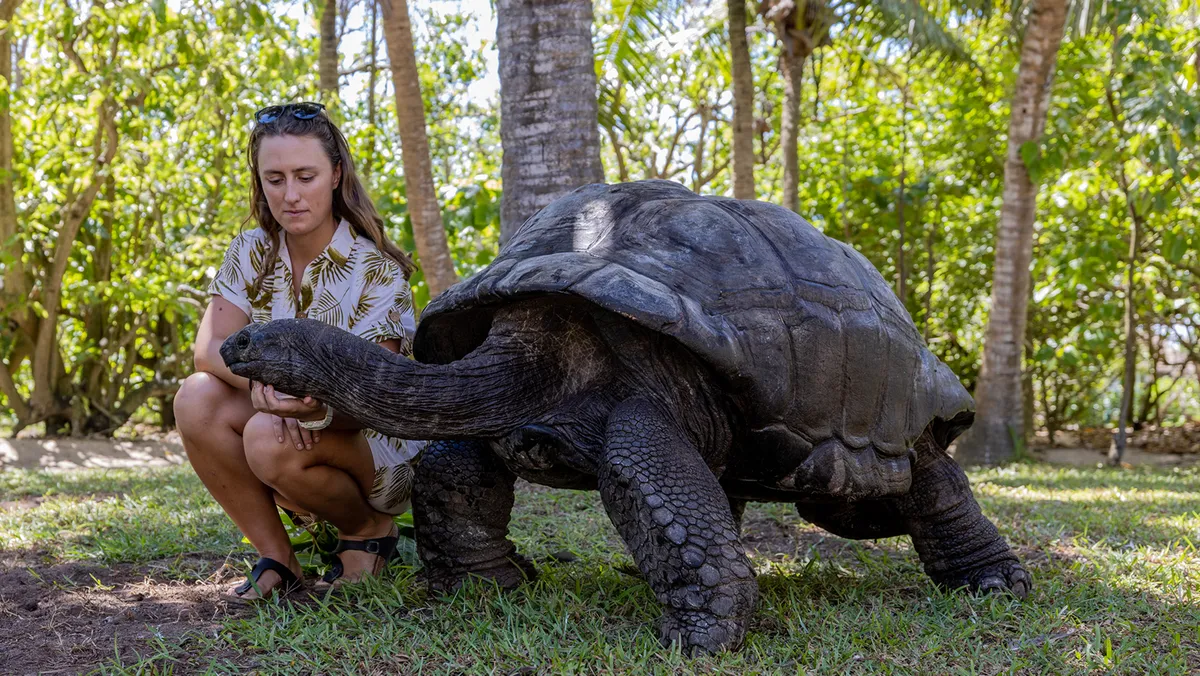
The average lifespan of medium-sized tortoises is estimated at 50 to 100 years. However, giant tortoises from Galápagos or Aldabra tortoises have been known to record a lifespan of over 120 years. Even some tortoises have been tracked to be 150 years old or older.
The prolonged lifespan of tortoises can be attributed to their genetic makeup, low metabolism rates, strong immunity, and lack of natural predators when they are fully grown. Environmental sustainability is an important consideration.
When tortoises are protected in an environment, they live remarkably longer than other animals. They face the natural challenges of the world, such as difficult climatic conditions, destruction of habitats, and scarcity of food. Tortoises live longer than usual due to their slower growth rate.
Difference Between Tortoise and Turtle
Although many people use the words tortoise and turtle interchangeably, they are not the same animal. Determining each of them elaborates on their lifestyles and their care. Tortoises are those land animals that exist in dry regions such as deserts, grasslands, and even scrublands. Their strong columnar legs have a perfect adaptation for walking and digging, but not for swimming. On the contrary, Turtles are those animals that spend most of their time in water. They have webbed feet or flippers that are very good for swimming in oceans, lakes, and streams.
Shells on tortoises are high-domed, heavy, and offer protection to these animals from predators or rough surfaces. Turtles have flat, streamlined shells that minimize water resistance when entering the water.
In addition, tortoises are primarily herbivorous animals consuming grasses, leaves, flowers, and fruits. While turtles eat both plants and insects, fish, and small prey found beneath the water. Despite all of these differences, the tortoise and turtle both fall into the reptile family and thus share similar biological traits.
Necessary Life Stages of a Tortoise
The life of a tortoise will go at the slow pace of this animal, which involves important stages of life. Tortoise faces different hurdles throughout all stages of life, crossing all developmental milestones. The essential life stages of a tortoise are given as:
Egg stage: Where Life Begins
The female tortoise starts by digging a shallow nesting chamber in warm soil or sand, where she carefully places the eggs inside the chamber. The female may produce between 5 and 30 eggs, depending on the species. Then the female leaves the nesting chamber after laying eggs.
The offspring’s sex depends on the incubation temperature. The female offspring will develop when the incubation temperatures are higher, while the males will develop when temperatures are low. The incubation period takes between 60 and 120 days, depending on the climate.
Hatchling Stage Vulnerability and Growth
Upon hatching, baby tortoises are just tiny and fragile. Their shells are soft, and they depend largely on camouflage and concealment for protection against birds, rodents, and reptiles.
At this stage, hydration and warmth are absolutely vital for survival. Hatchlings begin learning to search for food, and thermoregulating their body temperatures through sun and shade. Only a small percentage of the hatchlings survive the first few years in the wild, so this can be the most precarious time in an individual’s life.
Juvenile Stage: Slow but Steady Progress
Juvenile tortoises will grow progressively, and their shell will become thicker, as will their limbs. They will be more adventurous when exploring their surroundings and when investigating their diet. This period can last for many years, sometimes a decade, before it attains sexual maturity. It is because of slow growth rates that the lifespan of a tortoise spans across generations. Adequate diet, sunlight exposure, and protected shelter are required for proper development during this stage.
Adult Stage: Stability and Reproduction
At maturity, tortoises are mainly concerned with health and reproduction. Adults are territorial with specific mating behaviors associated with their species. This stage can persist for decades, therefore, this is the longest stage in their life cycle. Since adults have minimal predation pressure and protection from their robust shell, they live a relatively stable life. Therefore, healthy adults have consistent feeding habits and predictable routines with good, strong immune systems.
Senior Stage: Aging Gracefully
When tortoises mature in age, their activities may decrease, and the rate of movement may slow down. However, tortoises can remain alert and in good health in old age when they are properly cared for and fed. They possess a long-life span as well as the ability to cope with physical changes, hence they tend to grow old more gracefully compared to most animals. Therefore, healthy adults have consistent feeding habits and predictable routines with good, strong immune systems.
Cool Tortoise Facts
Tortoises can recognize their owners and respond to their voices and daily patterns. The shell on a tortoise is more than a shelter. It is a living bone structure that is a derivative of their spine and rib cage. The most astonishing factor about a tortoise is that it can survive for months without food. The giant tortoise is a very important part of a natural ecosystem in the dispersal of seeds. The tortoise is a very hardy, interesting, and fascinating animal.
Tortoise Care for a Long, Healthy Life
Owning a tortoise is a long-term commitment because of its extended lifespan, and proper care is one sure way to make them enjoy life in health and happiness. For this reason, the following are quite crucial:
Housing for Tortoise
Tortoises require spacious enclosures where they can move around and exercise. This would be ideal outdoors, especially during good weather; indoors, heat lamps, UVB lighting, and good ventilation are needed to simulate the outdoors.
Tortoise Gut Health
For good gut health, good pet nutrition should be provided to a tortoise. A tortoise’s diet mainly includes vegetables, grasses, weeds, and leafy greens. You can also feed them with fruits. Additionally, calcium supplements help in the development of tortoise shells and bones. It makes them strong. Moreover, a steady supply of fresh water for your tortoise is necessary for drinking and soaking.
Good Tortoise Hygiene
Hygiene and proper grooming are also essential. These help to avoid bacterial infections and parasitic invasion. Moreover, tortoise’s good dental care helps avoid any tooth decay in your tortoise.
Conclusion
Tortoises are truly special animals. Their slow speed, lengthy lifespan, and exciting life cycles make them such special pets and valuable components of our ecosystems as well. When it comes to tortoise care and making certain they live healthy and happy lives, it is clear that special attention and professional guidance are essential in this regard.
Those who keep tortoises as pets should have regular access to expert care and excellent animal hospitals like Park Hills Animal Hospital. It is essential to keep such wonderful and friendly reptiles happy and healthy as well.
FAQs About Tortoise Life Period
How long does a tortoise live?
Usually, tortoises have a long life span. The average lifespan of tortoises varies somewhere between 50 and 150 years, depending on the type of tortoise species. The giant tortoise has the maximum lifespan if it is taken care of.
Are tortoises good first pets?
Tortoises can make very good pets for devoted owners who understand their needs. The fact of the matter is that tortoises can live for several decades, and therefore, proper care for a tortoise right from its inception is necessary.
What is the correct frequency of feeding a tortoise?
It is recommended that all types of tortoises should be given fresh greens and veggies daily, and the quantity should be based on their activities and age.
Which environmental setting is good for a tortoise?
Tortoises require appropriate temperatures and humidity. They require an adequate space for living and moving around. Moreover, UVB illumination is good for them. These environmental settings are needed by the tortoise for better digestion, immune functioning, and maintaining healthy shells.
Why do tortoises live so long?
The reason why tortoises live such a long life is tortoises have sluggish metabolisms, robust immune systems, and stress-free lives. Such qualities make their life spans the longest.