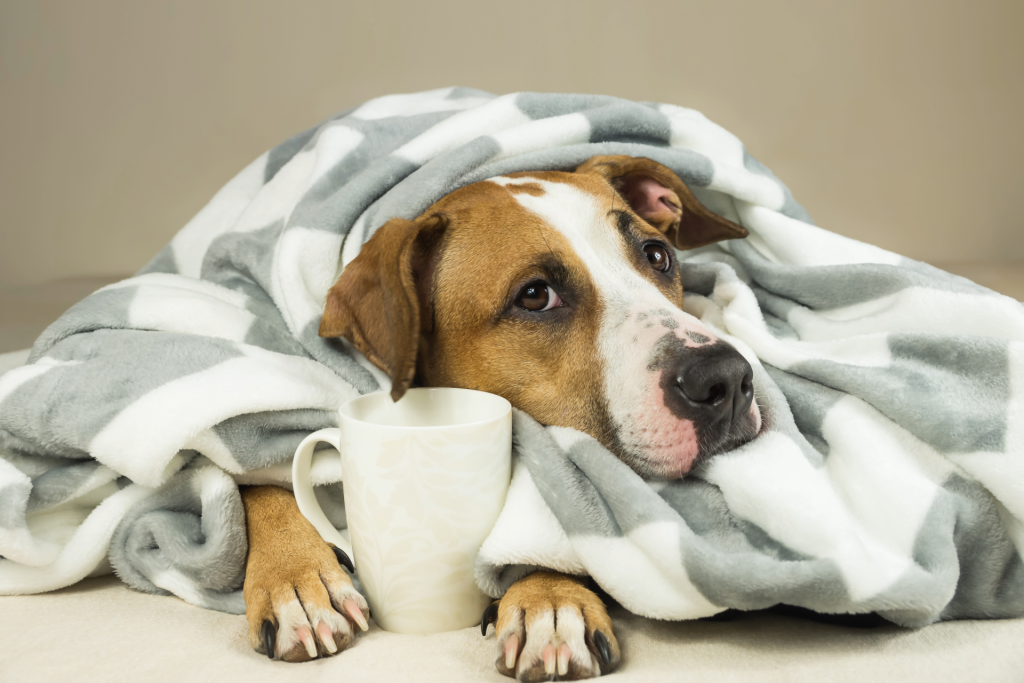
It is pathetic to see your dog squatting with watery diarrhea. The clutter surrounding is another source of stress. You are powerless in seeing them in such an awkward position with their tails held down not the same cheerful creature they were before. All pet owners are aware of such a question: Is it serious? What did they eat? You are not the only one and most of the cases are not emergencies. Liquid diarrhea generally implies that their intestines are rotating excessively rapidly or are irritated, unlike soft stool.
This is what is really going on, when to be concerned and easy things to do to make your furry companion feel better in a short time. This is a complete guide about watery diarrhea in dogs.
Common Causes of Watery Diarrhea in Dogs
A number of factors may cause watery diarrhea in dogs. The reason prompts you to act quickly and make your dog comfortable.
Dietary Indiscretion (Garbage Gut)
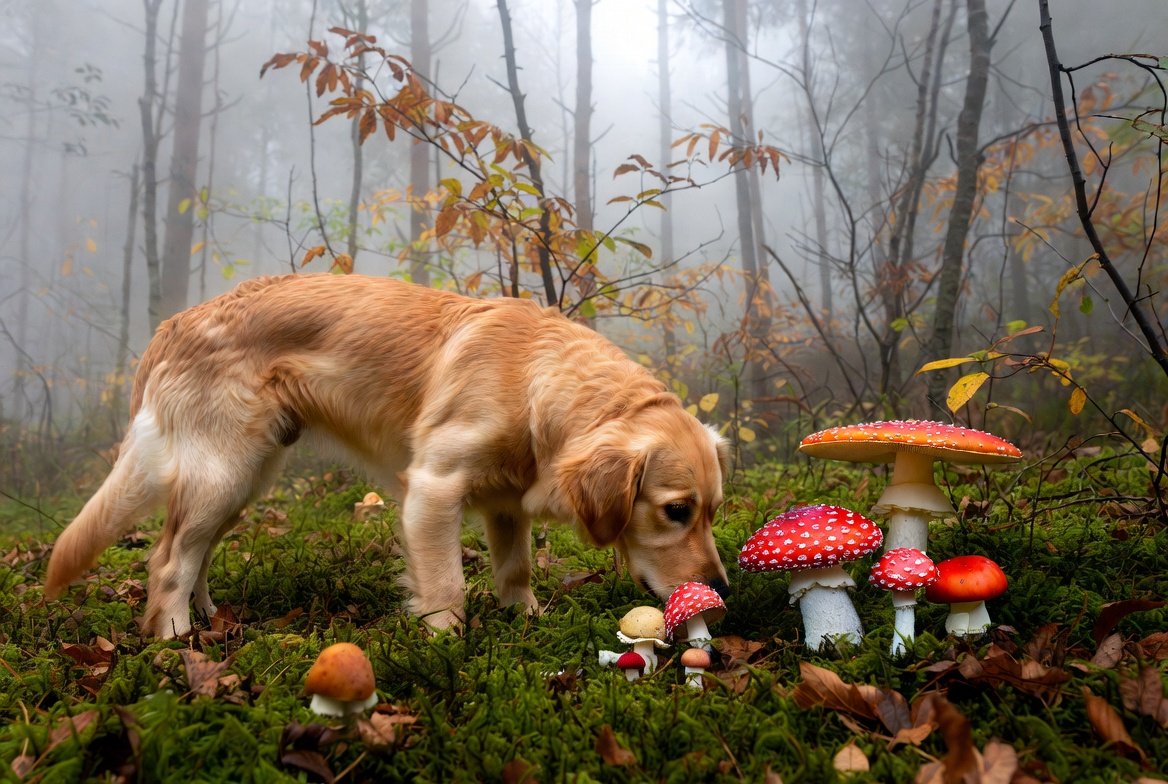
Dogs tend to consume objects that they are not supposed to. They scavenge garbage, steal stale food or swallow random objects on the street. This is referred to as dietary indiscretion or garbage gut. Spoiled food irritates the stomach and intestines immediately. This causes acute liquid diarrhea. The majority of the cases improve within a day or two. You can monitor your dog for other issues.
Sudden Diet Changes
Rapid switching between food brands may disrupt the digestive system. It is a period when the gut needs to acclimate to new substances and proteins. It may shock the intestines when you change the kibble at night. Soon after, loose or watery stools are observed. To prevent this, it is important to introduce new foods gradually. Take 7 to 10 days. Add some new food to the old food every day. This is the simplest measure that averts the majority of diarrhea caused by dieting.
Parasites and Infections
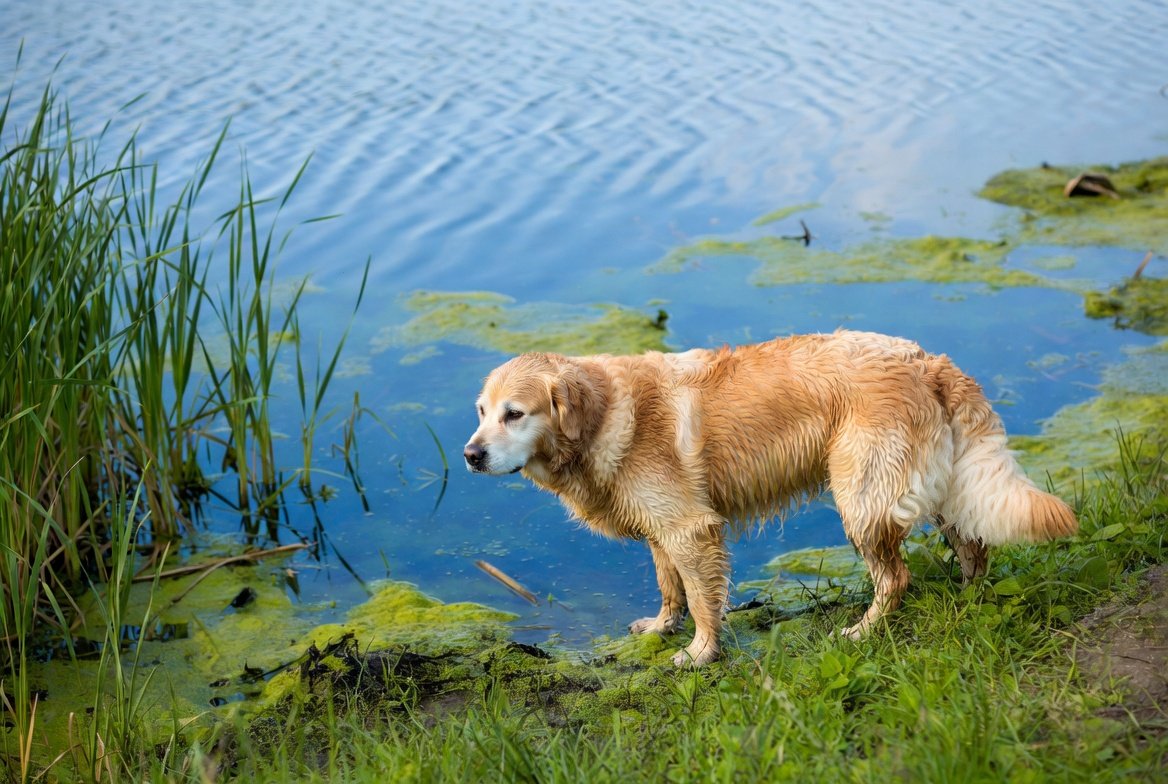
The parasites such as Giardia are very widespread. Dogs are infected in polluted water, puddles or soil. Giardiasis usually results in foul smelling, watery diarrhea in dogs. The stool can be green or mucus containing. Parvovirus is more threatening. It causes extremely poor watery diarrhea and vomiting. It increases the risk to the unvaccinated puppies. Giardia and parvovirus require emergency veterinary attention.
Stress and Anxiety
Stress and anxiety can affect dogs’ gut health. It can be triggered by moving home, new family members, pet boarding or loud events. This disorder is known as stress colitis. The watery diarrhea with mucus is commonly observed. Some cases are reported with excessive blood. Maintaining a calm everyday routine is a way to reduce such episodes.
Food Intolerances
Certain dogs are unable to tolerate certain proteins. Common triggers are beef, chicken, dairy or grains. This is intolerance to food or an allergy that causes persistent watery brown diarrhea. The feces remain a simple brown but are extremely loose. Switching to another source of protein is usually the solution. Discuss with your vet to find the best pet nutrition for your dog.
What Watery Brown Diarrhea Means and Understanding the Color
The watery diarrhea is important in terms of color. Plain brown normally refers to mild irritation or infection in the small intestine. It is often not serious. Yellow or greenish watery diarrhea indicates rapid transit and bile or Giardia infection. Red flags include inflammation, parasites or gut injury. The most frequent and the least alarming kind is brown watery diarrhea.
Quick Relief Tips and How to Help Your Dog at Home
When your dog experience mild watery diarrhea and you do not find anything wrong with it. You may use to the simple home care measures. These are stomach soothing tips that help to reduce irritation. Contact your veterinarian immediately if the symptoms are not improving. It helps to prevent serious dog health issues such as pet surgery.
The 12 to 24 Hour Fast
You can give the digestive system a break with a brief fast. You should skip feeding your dog every 12 to 24 hours for healthy dogs. Continue to provide an abundance of fresh water during this period. This rest usually reduces inflammation and hardens the stool. Do not starve puppies, very small breeds, older dogs and any dog that becomes easily low in blood sugar. These pets may become weak within a short time. Consult your vet before trying a fast for these dogs.
The Bland Diet
You can give a nutrient rich and soft diet after following the fast. Boiled chicken and white rice are the most useful. Use plain boneless skinless chicken breast and plain white rice without any oil, salt or spices. Combine rice and chicken in approximate proportions of two to one. Swallow small meals four to six times a day rather than large ones. Such a simple mix relaxes the bowels. Continue with the bland diet for three to five days. Start adding normal food to it slowly over the next few days.
Hydration is Key
Fluid loss through diarrhea is rapid, so hydration is important. Dehydration becomes serious quickly. The water should be clean and fresh at all times. You can put a little low sodium chicken stock in the water bowl to encourage drinking. Another good option for electrolyte replacement is unflavored Pedialyte. Give a little regularly when your dog is not keen on taking lots of water. When checking for dehydration, gently pinch the back of the neck and note whether the skin is dry or moist. If the skin is not slack and does not spring back immediately, see your vet.
Probiotics
Probiotics help to restore gut bacteria after disturbance. They help to normalize the microbiome and reduce the diarrhea period to heal faster. Select a recommended probiotic vet recommended which is dog friendly. Most of them include beneficial strains such as Enterococcus faecium or Bifidobacterium. Take the instructions on the package or consult your vet on the appropriate dose. The majority of probiotics are convenient in the form of powders, capsules or chews.
Pumpkin Power
Another helpful thing is plain canned pumpkin, as it is a good source of soluble fiber. It absorbs excess water in the intestines, making the stool firmer. It is also a weak prebiotic or it nourishes the good bacteria. Canned pumpkin should contain no sugar or spices and should be 100 percent pure. Begin with a few of them and blend them with the bland diet. The typical amount of dog food required by small dogs is 1 to 2 teaspoons a day. The medium dogs may contain 1 to 2 tablespoons. Big dogs can use 2 to 4 tablespoons or more. Introduce it slowly to prevent additional stomach upset.
Conclusion
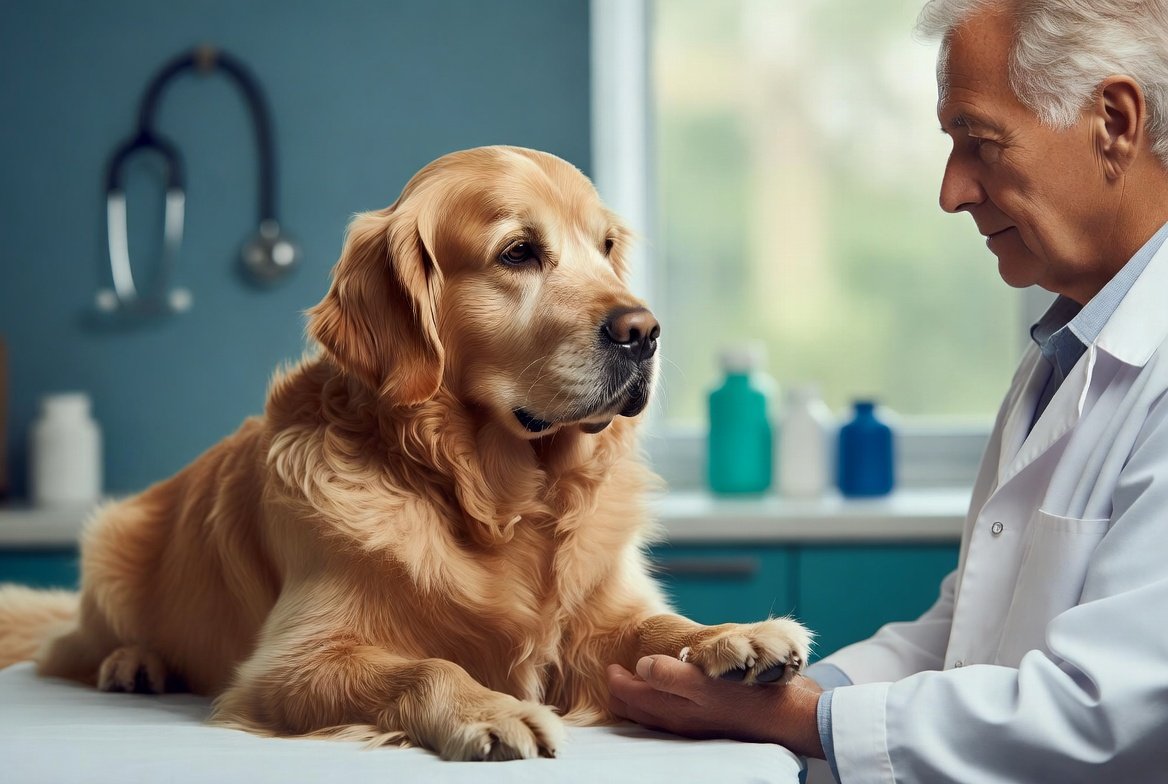
Poor diet, abrupt dietary changes, stress, parasites or food sensitivities are often the cause of watery diarrhea in dogs. Brown watery diarrhea is often a sign of mild intestinal irritation and is not often acute. In most mild cases, home care including fasting (adults only), bland chicken rice food, hydration, probiotics and plain canned pumpkin is a quick reliever. Keep an eye on it to see whether it has been more than 24 hours or if you notice blood, vomiting or weakness, call your vet immediately. You can consult Park Hill Animal Hospital in severe cases of watery diarrhea in dogs.
FAQs (Frequently Asked Questions) about Watery Diarrhea in Dogs
What makes dogs have such watery diarrhea?
Watery diarrhea in dogs is commonly attributed to indiscretion in the diet (eating garbage or spoiled food), acute changes in the diet, parasitism (e.g., Giardia), infections (e.g., parvovirus [especially in puppies]) as well as stress or intolerance of certain water soluble proteins (e.g., chicken or beef).
What is the meaning of watery brown diarrhea in dogs?
Diarrhea with a brown watery stool is typically an indication of irritation of the gut, a rapid passage through the intestines or mild malabsorption. It cannot be as serious as yellow, green or bloody stool, which can be the signs of infections, bile problems or inflammation. Garbage gut or diet changes are normally accompanied by plain brown.
What do I do to treat watery diarrhea in my dog?
In the case of mild cases in healthy adult dogs, a 12 to 24 hour starvation (omit in puppies or small breeds) followed by a bland diet of boiled chicken and white rice. Keep them hydrated using water or low sodium broth, add vet approved probiotics and combine it with 100% pure canned pumpkin in order to firm the stool.
Is canned pumpkin good to dogs with watery diarrhea?
Yes, canned pumpkin (not pie filling) is 100 percent pure. Its water soluble fiber takes up the excess water, solidifies loose stool and is a prebiotic. The amount to start with is 1 to 4 tablespoons per day depending on the size of your dog mixed in bland food.
Is it possible that stressed dogs develop watery diarrhea?
Yes, stress or anxiety caused by the changes such as moving, boarding, new people and loud noises can cause stress colitis. This usually causes liquid diarrhea which contains mucus and in some cases a slight amount of blood. It is avoided by using relaxing habits and a routine setting.
What do I do to keep my dog out of watery diarrhea?
Avoid it by slowly replacing foods during 7 to 10 days, not allowing access to table scraps and garbage, regular deworming and parasite prevention, maintaining the up to date vaccinations (in particular, parvovirus) and preventing stressful changes as much as possible.