Pets need more than hugs and kisses to stay healthy. Weight issues in pets can impact their mood, quality of life and longevity. Managing its weight is important to ensure your pet is healthy, fit and full of energy. You can keep your pets stress free and living their happiest lives by following basic guidelines, feeding them well and exercising them. This blog will cover effective tips for weight management for pets.
Why Weight Management for Pets Matters
Weight management for pets is important for their overall health. Being obese can lead to joint issues, diabetes and heart disease. Being at a healthy weight boosts energy, mobility and longevity. Small adjustments to food and exercise are beneficial. Healthy weight pets are happier, more active and live longer.
Health Risks of Obesity
Fatness causes problems. Extra weight makes pets have trouble breathing, develop arthritis and put strain on their hearts. They are more likely to develop diabetes and live shorter lives. Weight control can avoid these issues. With easy diet and exercise adjustments, you can prevent problems and keep pets happy.
Benefits of a Healthy Weight
Healthy weight pets are agile and playful. They are alert, sleep deeply and get along with relatives. They are also less sick and have stronger immune systems. Healthy weight for pets means a longer, happier life for you and your pet.
Healthy Diet for Your Pet
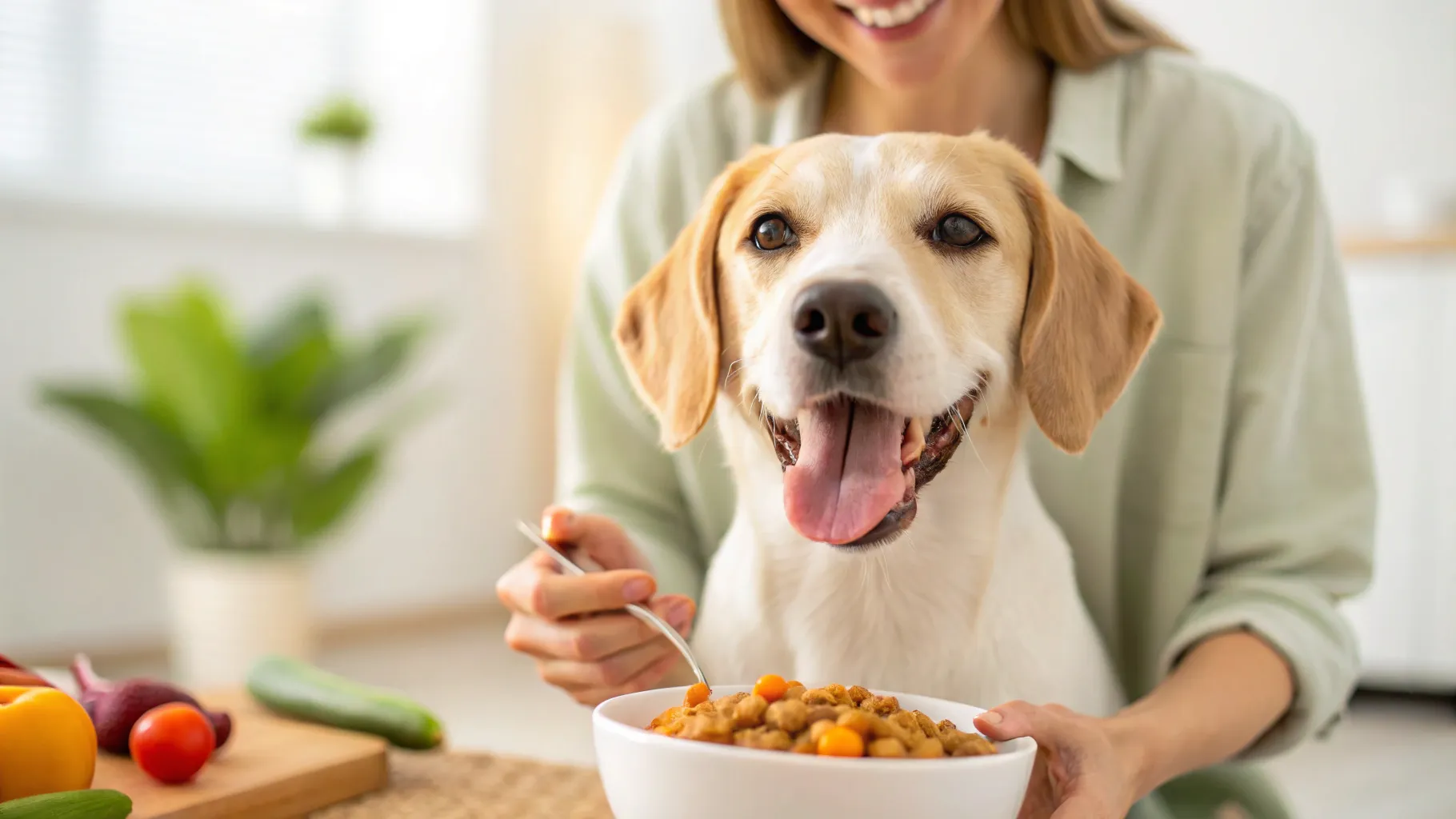
In pet weight management, proper pet nutrition is essential. Nutritional food fuels growth and development. Eating the right food and the right amount help to prevent obesity and keep pets healthy and happy.
Choose the Right Food
Consider age, breed and exercise needs. Do not choose high filler or high calorie foods. Check for labels containing protein, vitamins and minerals. Ask a vet about special dietary needs according to its health.
Control Portions
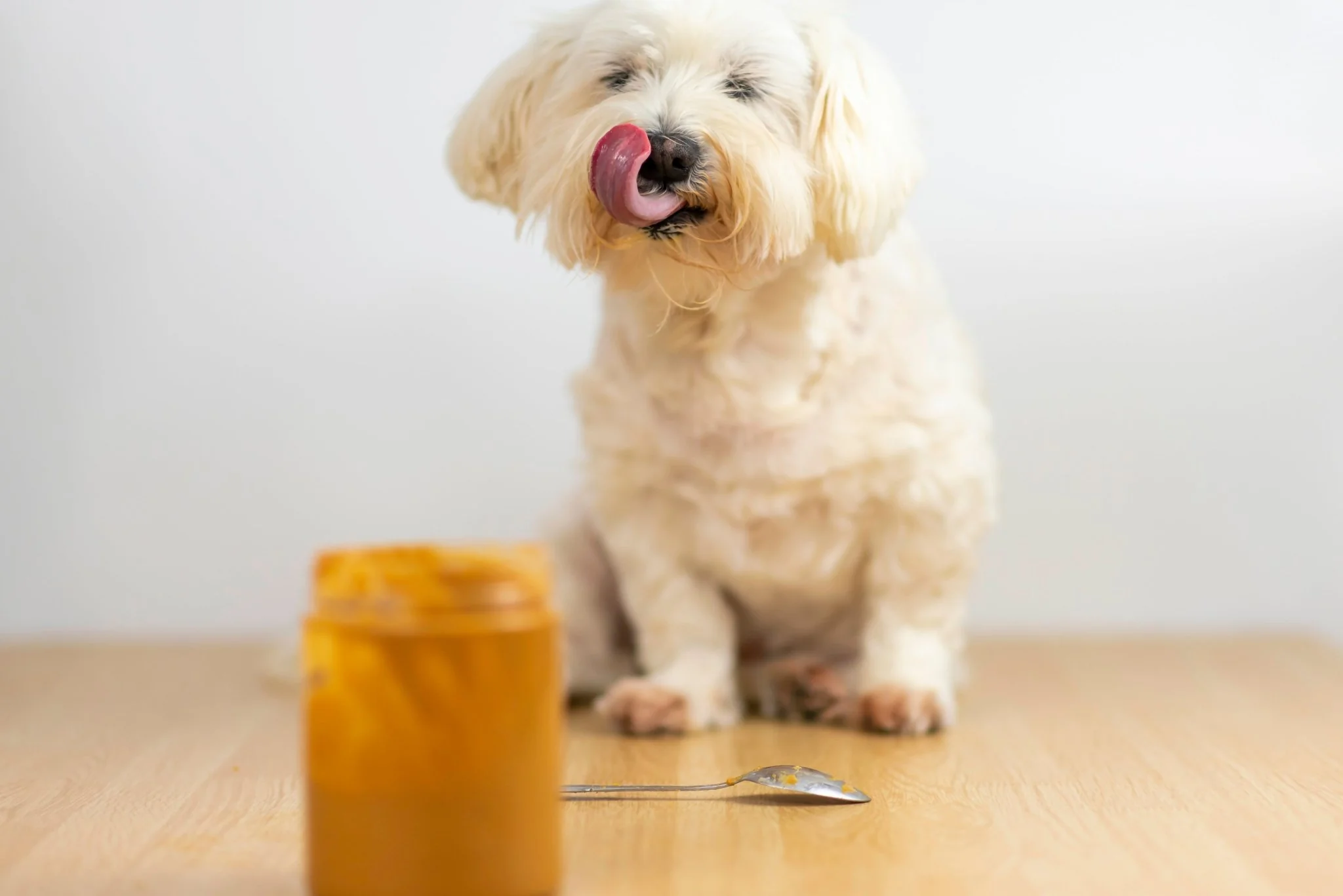
Measure food to avoid overeating. Feed your pet at set times and avoid free feeding. Use treats but occasionally. You should feed your pet twice a day to prevent overfeeding and obesity.
- Morning feed
- Evening feed
Smaller portions help to prevent weight gain and binge eating. Simple and easy steps help to ensure their health and safety over the long term.
Regular Exercise for Pets
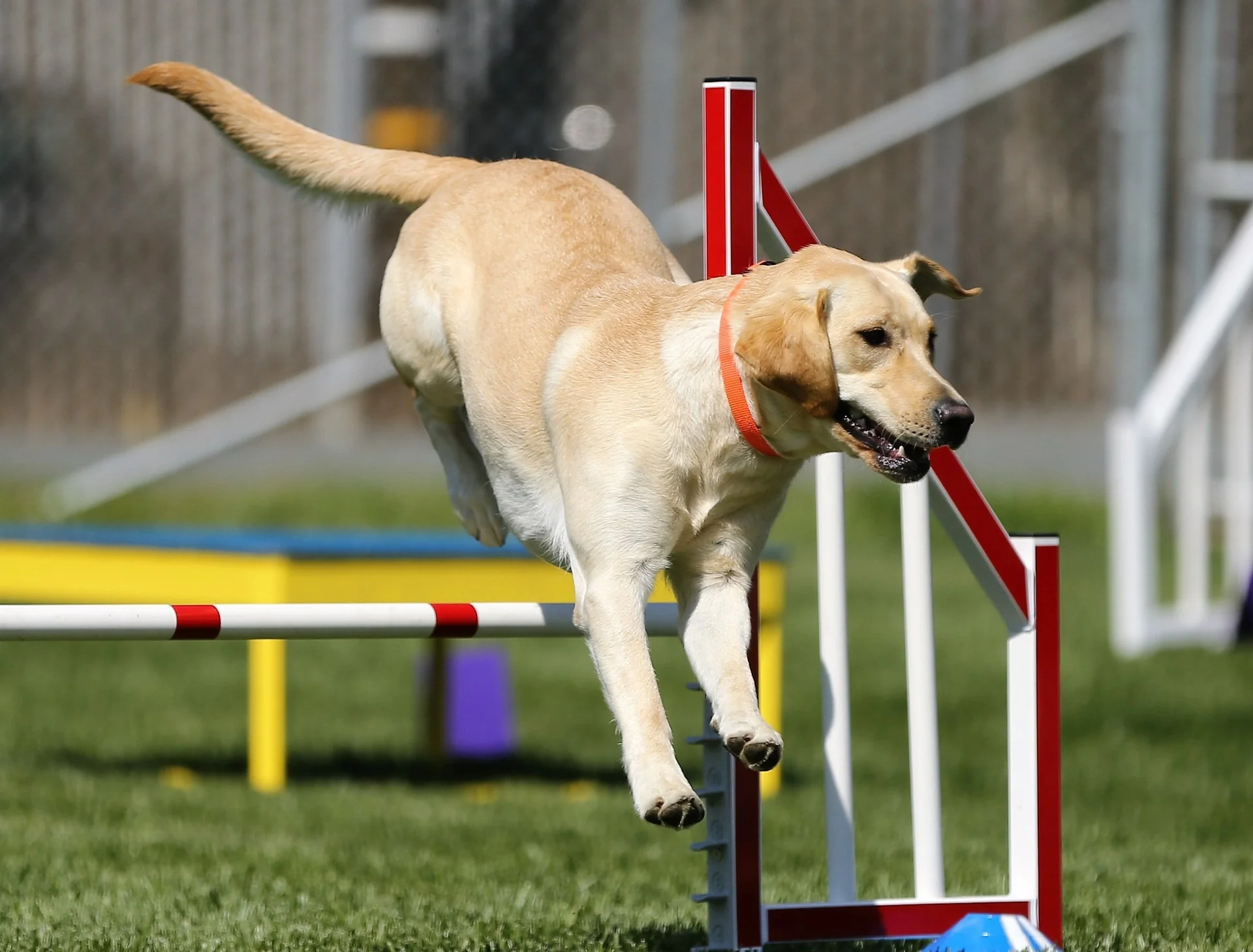
Pets need exercise to manage their weight. Exercise help to boost mood, build muscles and burn calories. Pets easily become overweight without exercise, even with a healthy diet. Exercises and indoor activities to support weight management for pets are as follows:
Walks and Playtime
Walking helps pets to burn calories and explore the world. Games such as fetch and tug of war also help to boost cognitive function. You should focus on a basic routine for their weight management that includes:
- Short walks
- Fetch games
Exercise also help to reduce anxiety and prevent aggressive behavior in your pet. Stick with this routine to enhance its weight management outcomes in days.
Fun Indoor Activities
Rainy weather means indoor play. Toys, obstacle courses or hide and seek can keep them moving. They also help to train your pet, especially dogs. Proper nutrition combined with outdoor and indoor activities is effective in reducing obesity in pets.
Routine Health Checkups and Grooming
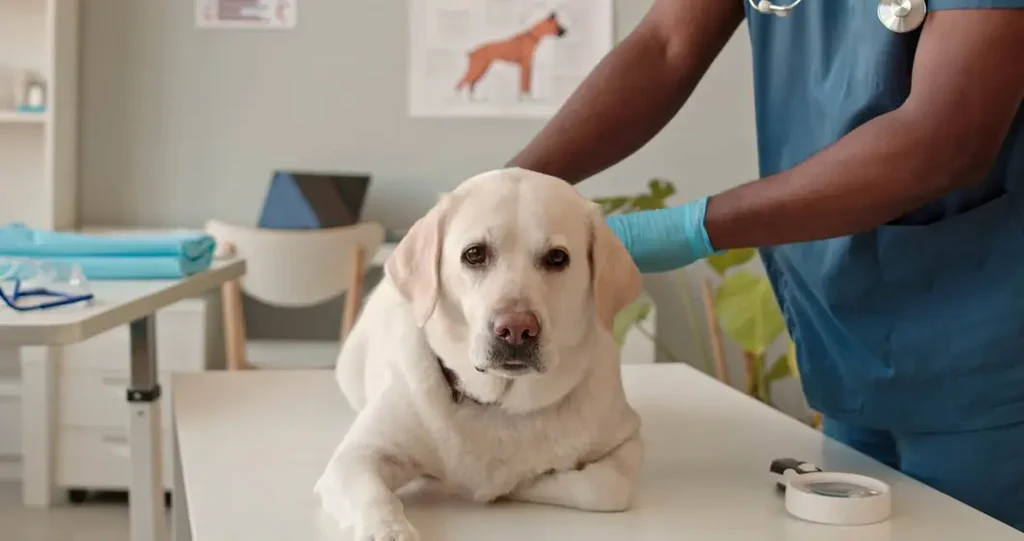
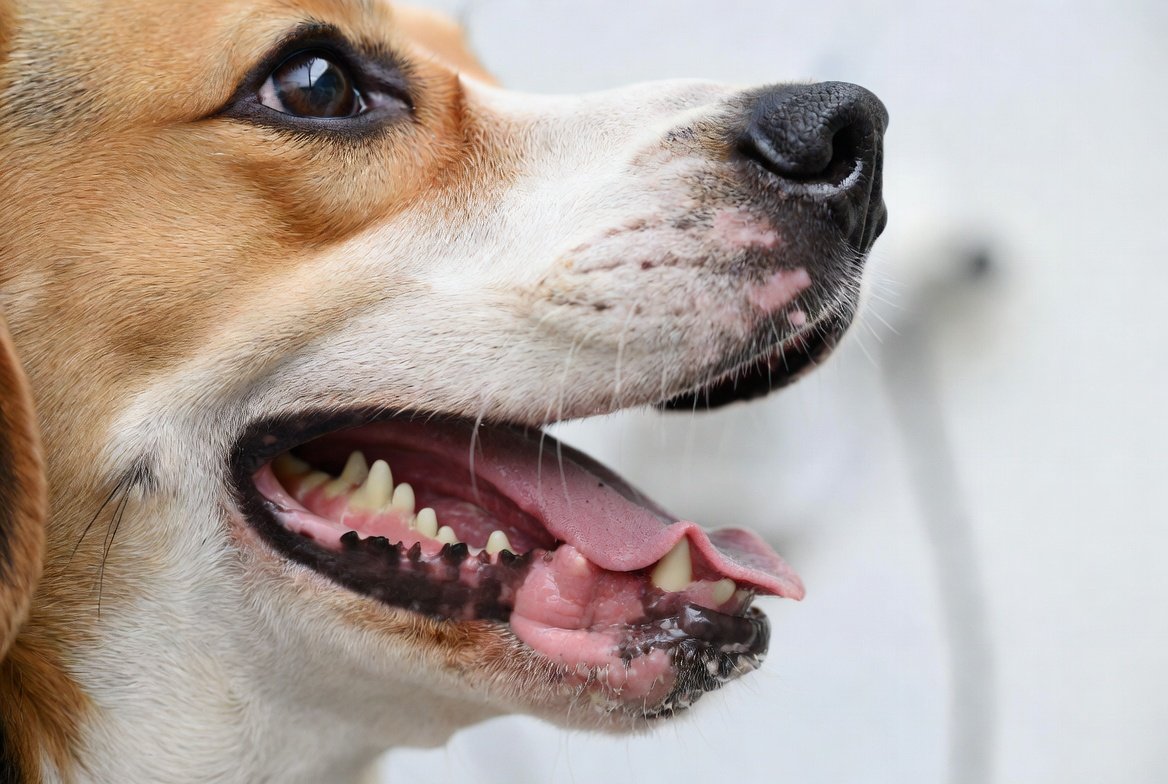
Vet visits help to monitor their weight and prevent illness. Regular visits help to detect health problems, keeping pets fit and well. Vets can spot health problems early, preventing untreatable conditions. See the vet every six months. Vets can recommend dietary changes that help pet parents keep their pets at a healthy weight. Pet dental care is important because dental problems can reduce appetite and lead to unhealthy weight loss or gain. Brush their teeth, use vet approved chew treats and do regular dental checkups.
Grooming and Lifestyle Habits
Pet grooming is good for their skin and helps them relax. Pair grooming with healthy habits for happy and healthy pets. Frequent brushing and bathing help to prevent skin issues. Grooming also help to detect weight gain or illness. Keep pets active, avoid daily treats and keep a routine. Spaying and neutering may help with weight management in pets.
Simple Weight Tracking Tips and Checklist
Monitoring weight is key to successful weight management for pets. This allows you to make timely adjustments to food and exercise. Weigh at home or at the vet clinic. Record weekly changes and look for trends, not single readings. Look for changes in behavior, energy, appetite and playtime. Changes help to indicate weight or health problems before visible changes appear.
Quick Weight Management Checklist
| Tip | Frequency |
| Meal portion control | Daily |
| Walks | 2 to 3 times per day |
| VET checkups | Every 6 months |
| Grooming | Weekly |
Conclusion
Regular care, a balanced diet and exercise are important for pet weight management. Healthy pets live longer, are stronger and more playful. Small changes go a long way. Regularly check their weight, provide plenty of playtime and practice good grooming and nutrition. Visit Park Hill Animal Hospital to help your pet live a healthy and happy life with expert advice and full service veterinary care.